Tariffs, Greenland and the reality of fast-moving trade politics
21 January 2026
With renewed discussion around potential tariffs linked to the Greenland dispute, uncertainty is once again filtering through global supply chains. This article looks at what that could mean for trade in physical goods, and how shippers can prepare pragmatically in a fast-moving situation.
The U.S. President has raised the prospect of further tariffs on a number of European countries, linked to the ongoing dispute over Greenland. Whether these measures are implemented, delayed, reshaped or quietly dropped remains to be seen — but for businesses moving physical goods, the uncertainty alone is already significant.
As experience shows, tariff discussions do not need to be finalised to have an impact. In global trade, anticipation often changes behaviour just as quickly as policy.
Why uncertainty matters as much as tariffs themselves
Independent institutions have consistently highlighted that trade policy uncertainty can weigh on global trade well before any formal measures are introduced. The International Monetary Fund and the World Trade Organization have both noted that unclear or unpredictable tariff environments tend to slow trade, disrupt investment decisions and encourage defensive supply chain behaviour.
During previous periods of U.S. tariff escalation, the IMF observed familiar patterns: shipments brought forward ahead of potential deadlines, short-term pressure on freight capacity, and a subsequent cooling in volumes once uncertainty set in. The WTO’s most recent trade outlook echoes this concern, warning that rising tariffs and political unpredictability can dampen global merchandise trade and distort normal trade flows.
What this could mean in practice for shippers
If tariff threats connected to Greenland and Europe escalate, the practical implications for supply chains are likely to be operational rather than abstract.
Common effects in similar situations have included:
- short-term volatility in order patterns, as customers accelerate or delay shipments
- brief surges in demand for capacity, particularly on transatlantic lanes
- increased interest in alternative routings or sourcing strategies to manage duty exposure
- greater scrutiny at borders, especially around origin, classification and valuation
The World Bank has repeatedly pointed out that modern supply chains are highly interconnected. Even targeted tariff measures can have wider knock-on effects, particularly where components, sub-assemblies or raw materials move through multiple countries before reaching the end customer.
Preparing without overreacting
In fast-moving political situations, the most effective responses are often practical rather than dramatic. Businesses do not need to predict political outcomes, but they do benefit from being ready for sudden change.
Prudent steps include:
- understanding tariff exposure by product, origin and Incoterms
- ensuring documentation — particularly rules of origin and HS classification — is accurate and consistent
- building flexibility into routing and lead-time planning
- maintaining close communication with suppliers, customers and logistics partners
These measures help organisations respond quickly if policy shifts, without creating unnecessary disruption if it does not.
A developing story, not a settled one
As recent history has shown, tariff discussions can escalate rapidly, de-escalate just as quickly, or evolve into something entirely different. Independent bodies are clear on one point: uncertainty itself carries a cost for global trade.
For now, the Greenland dispute should be viewed less as a single trade event and more as a reminder of how closely geopolitics and supply chains are linked — and how important agility has become.
At Allseas Global Logistics, our focus remains on helping customers optimise their supply chains, even when the political backdrop is anything but stable.
Related Articles
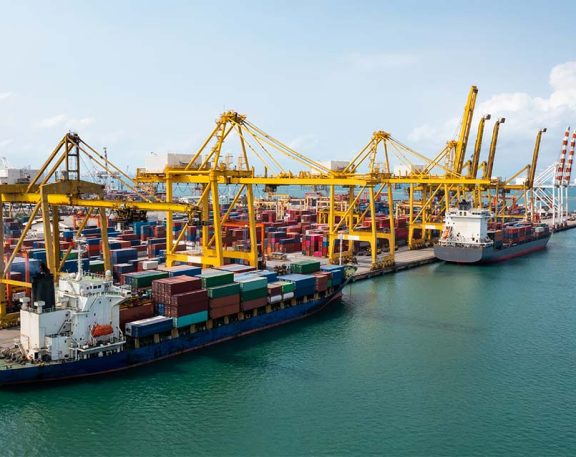
What Middle East tensions mean for global shipping
Conflict in the Middle East is once again introducing uncertainty into global shipping markets. While the situation continues to evolve,…
Read more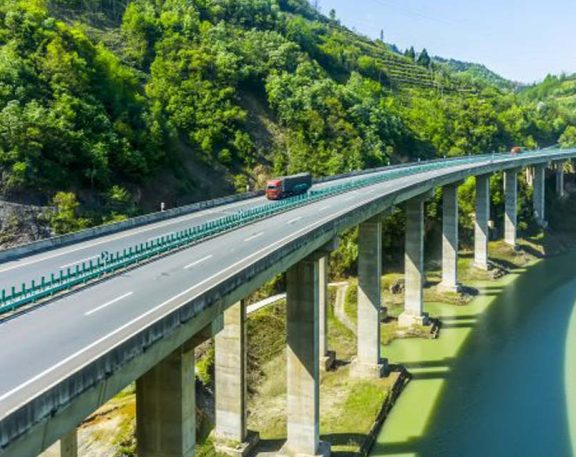
Upcoming road transport changes in Poland and Finland
Road Transport Update: Poland e-TOLL changes & Vuosaari tunnel works We would like to share several industry developments that may affect road…
Read moreSign up to our newsletter
To receive bi-monthly industry updates, plus opinion and insights from our expert Logistics Consultants, sign up here.
This site is protected by reCAPTCHA and the Google Privacy Policy and Terms of Service apply.